I Don’t Believe in New Year’s Resolutions, But I Believe in This Daily One
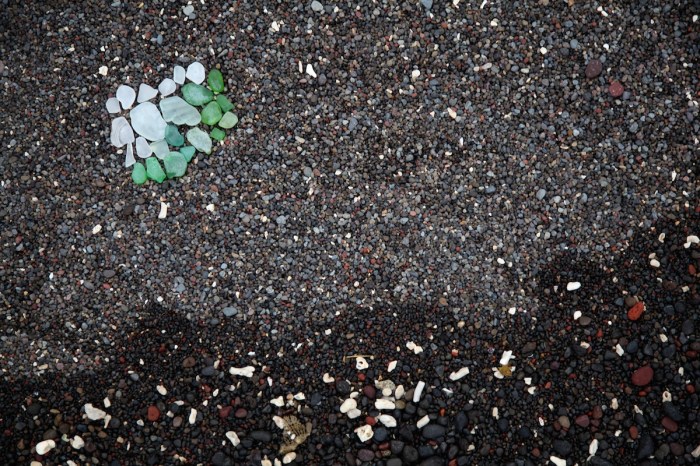
This time of year the “R” word abounds, always filled with aspiration and yet an impending sense of guilt. Few people keep their resolutions, and most of the time by the end of January, those good intentions have melted away, like the snowbanks by the side of the road, that once shone in pristine white and that have inevitably turned to a wet, grayish mush.
But the reason that resolutions can be so hard to keep is that we put so much pressure on them. Our expectations are high. This is the year I will change! This is the year I will be better!
Those are admirable desires, but when one day out of the year is the day slated for the beginning of all of your enormous life changes, it’s easy to crumble under pressure.
A Few of My Favorite Pieces From 2014 By and About Women
Happy New Year! I’d thought I’d kick the year off with a little look back…
The internet is full of cat videos and memes, but fortunately, it’s also full of some really fantastic stuff that has nothing to do with any of the above. I wanted to highlight a few pieces that stuck out to me in the last year (yes, they’re mostly about writing, food and bicycles – no surprise there).
Why only pieces by female writers? Because women are highly underrepresented in media of all forms. Beyond being underrepresented, there are also pay discrepancies. For example, an Indiana University survey of U.S. journalists found that women employed at newspapers in 2012 earned about $5,000 less than men.
Recipe: Chocolate Covered Ginger Almond Cookies with Whiskey

Concocted a mean Christmas cookie this weekend. You should probably bake up a batch. The full story is up over on Foodie Underground, but sharing the recipe here. And yes, they’re made with ground almonds, so no flour involved!
Could Superfoods Actually Be Bad for Us?
A question I ask in an article over on EcoSalon:
When we put certain individual ingredients on a pedestal, it also keeps us from thinking locally. This is often the problem with superfoods marketing, as you’ll commonly find lots of foods that come from nowhere near your backyard. Let’s take goji berries for example. Do you know where goji berries come from? They may be branded as the Himalayan superfood, invoking images of tranquil fields in the foothills of mountains, but the reality is that the majority of goji crops hail from industrial fields in Northwestern China. And hey, even if we get sick of that superfood, the food marketing world will always come up with another exotic option to replace it with. Kakadu plum anyone?
Read the full article here.
Bake a Ginger Spice Cake This Weekend
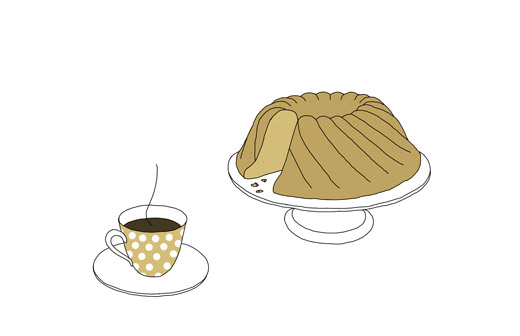
Johanna Kindvall (my collaborator on the forthcoming book Fika: The Art of the Swedish Coffee Break) and I have a recipe up for a tasty ginger spice cake on Foodie Underground, as well as a little background on Swedish holiday baking.
Plenty of links to recipes in there, which means you now have your official weekend baking to do list! Just in time for Christmas…
Illustration: Johanna Kindvall
A Few Coffee Books Your Bookshelf Needs

In my coffee column this week on The Kitchn I do a round up of coffee books. From how to make coffee, to the history behind our favorite drink, their books that anyone interested in coffee should definitely own.
My personal “handbook” continues to be the The Blue Bottle Craft of Coffee by James Freeman, Caitlin Freeman, and Tara Duggan. It’s the book I go to whenever I have a question about making coffee.
In all honesty, there are a few books on here I haven’t read yet, but are definitely on the To Read list, like Uncommon Grounds by Mark Pendergast. And last but not least, there’s James Hoffman’s The World Atlas of Coffee: From Beans to Brewing, which I can’t wait to get my hands on.
But that’s only three books – there are six more in the article, so hop on over to The Kitchn and read up.
A Real Look at Lifestyle Obsessions
Who hasn’t flipped through an issue of a magazine on green living with tips on urban farming and thought to themselves, “I want to grow my own food”? Who hasn’t watched a short video about a tiny house and thought to themselves, “I want to live like that”? Who hasn’t read an article on consumerism and thought to themselves, “it’s really time that I minimized”?
We’ve all done it, and we’ll continue to do it. This type of media fuels our aspirations. We all want to be eat and live better, be healthier and wiser, choose a path of intention rather than mindless consumption, so we keep reading, clicking and watching, and for a few brief moments we feel better about ourselves. We feel powerful. We feel in control of our lives. Yes, I too can choose to get rid of most of my wardrobe and commit to only seven articles of clothing!
But the danger lies in the fact that consuming this kind of media is a noncommittal act; few of us take the inspiration and turn it into action.
From my recent EcoSalon article “So You Want to Live in A Tiny House and Be a Farmer? Our Obsession With Lifestyles We’ll Never Commit To“
Food, Fashion and Expiration Dates
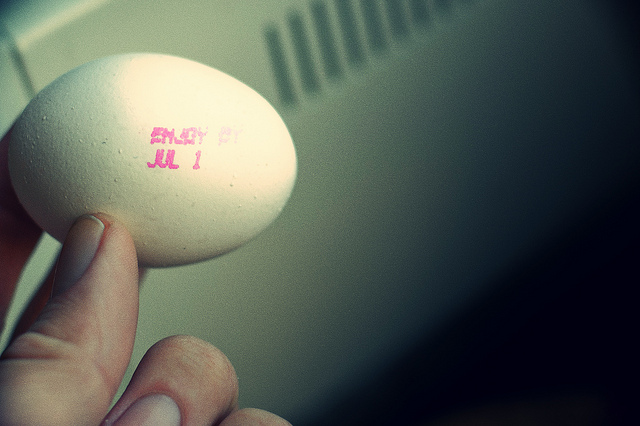
“Fashion is the deliberate inculcation of obsolescence.” -Paul Hawken
Some people might not think that food and fashion have much in common, but in our global consumer society that’s obsessed with cheaper and faster, they definitely do. I write about this topic over on the Brooklyn Fashion and Design Accelerator blog. My latest article is all about expiration dates.
Just like we used to put all of our food to use, and fix our appliances instead of buying a new one, if a go-to shirt got a hole in it, there was a time when we would sew it up. But the darning needles and sewing machines of our mother’s and grandmother’s generations have all but disappeared, because in the world of cheap fashion, you can just as easily buy something new.
Cheap fashion is just the same as cheap food; there’s no economic reason stopping us from tossing out the old stuff and buying something new, and that in turn, leads to waste of huge proportions. Consider in 2012, 35 million tons of food was thrown away in the U.S. In that same year, 14.3 million tons of textile waste was generated. But the difference with fashion is that it’s not just worn out clothing that gets us to bring a new item into our wardrobes. It’s a perceived expiration date.
Read the full article here.
Image: David Goehring
Coffee and Beer: A Match Made in Heaven?
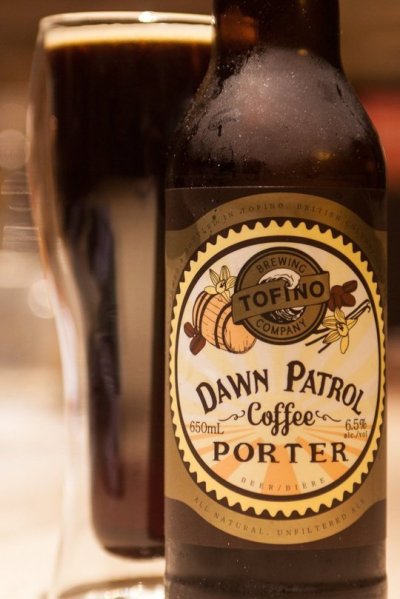
While coffee and beer might not be the first two flavors you would pair, people in the craft coffee and craft beer worlds are busy bottling their passions together.
“While brewers can reach wonderful flavor combinations with the sprawling available varieties of hops, specialty malts and yeast, some flavors simply require reaching beyond Reinheitsgebot (the Bavarian purity law that requires beer be made only from traditional ingredients),” says Les Stewart, coffee lover and head brewer at Trophy Brewing in Raleigh, North Carolina. “It means kind of breaking the rules, and doing it with such a willing partner in crime as coffee just makes a lot of sense.”
Read the rest of my article about coffee and beer on The Kitchn.
Image: Fil.Al
What Do You Do With Leftover Coffee Grounds?
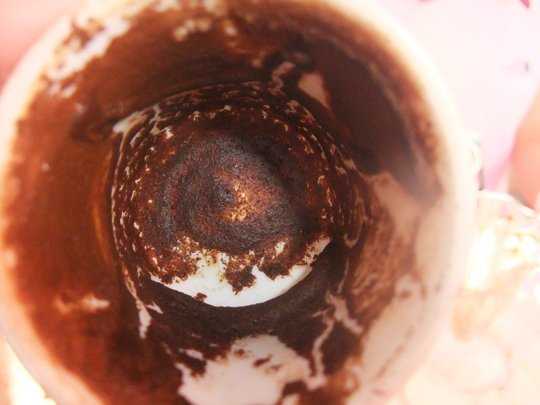
Lots of things. Like composting for example. In fact, nothing irks me more than seeing people toss their coffee grounds into the trash can. Did you know that around 12% of the waste stream going to landfills is food waste? Reusing coffee grounds is a good way to knock that number down, and that’s good for us and the environment.
Coffee grounds are perfectly easy to reuse, and I discuss a few ways in my coffee column this week on The Kitchn. Consider it your guide to zero waste coffee consumption.
Image: Heather McQuaid
 blog.annabrones.com