What is Food Gentrification?
Have you heard about the new term “food gentrification“? It’s this week’s topic on Foodie Underground.
“Food gentrification” started as a hashtag by writer Mikki Kendall, who wrote about the impact of turning ordinary products into trendy ones, and the ultimate social impact. “My grandmother was a master of turning offal into delicious, and I still use many of her recipes to this day. But now, once-affordable ingredients have been discovered by trendy chefs, and have been transformed into haute cuisine. Food is facing gentrification that may well put traditional meals out of reach for those who created the recipes,” Kendall wrote in January.
Just like rebuilding neighborhoods has shot up real estate prices and pushed out locals, rebuilding the food movement, putting certain common-day vegetables on a pedestal, in turn making them more expensive, is pushing people away from eating them.
There was a time when we all had access to fresh food and ingredients. Think back to our grandparents. There were few things available, but the things that were available were real food. There were vegetables, there was fruit and there were no Doritos. Often there was a garden. People ate real food simply because it was the only thing available.
Hop on over to Foodie Underground to read the full article.
Use Your Heart: Create Love, Spread Love
“The mind creates the abyss, the heart crosses it.”
-Sri Nisargadatta Maharaj
It’s funny how when you need certain words, they come to you. My mother sent me this today – she’s good like that, having that motherly intuition to send me inspirational words when she knows that I need them. Sometimes they are her own, sometimes they are someone else’s.
And these struck a chord; a good reminder for a world where our brains are constantly spinning. Things may be overwhelming, but often all we need to do is to treat ourselves and those around us with kindness. Give love, receive love.
So with that, go spread some positivity this weekend.
Everything You Wanted to Know About Coffee in Europe (Infographic)
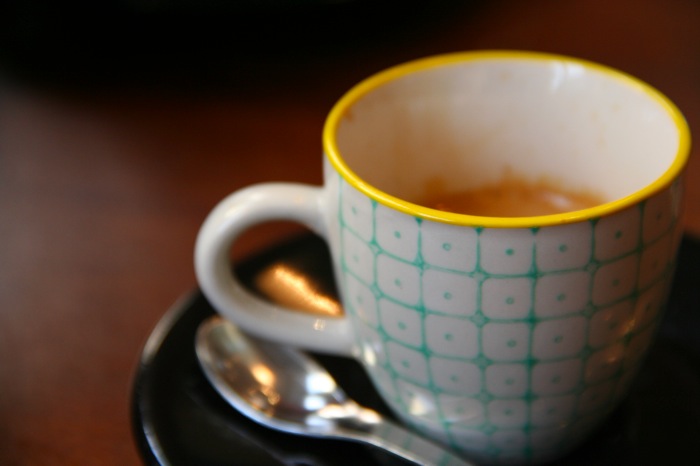
Just in case you needed a good infographic of all things related to European coffee drinking, there’s this infographic. Although I do wonder where all the Scandinavian countries are… because if anyone knows how to drink coffee, it’s the people in the Nordic lands.
Refilling Your Wine Bottle at a Different Kind of Wine Bar: En Vrac, Paris
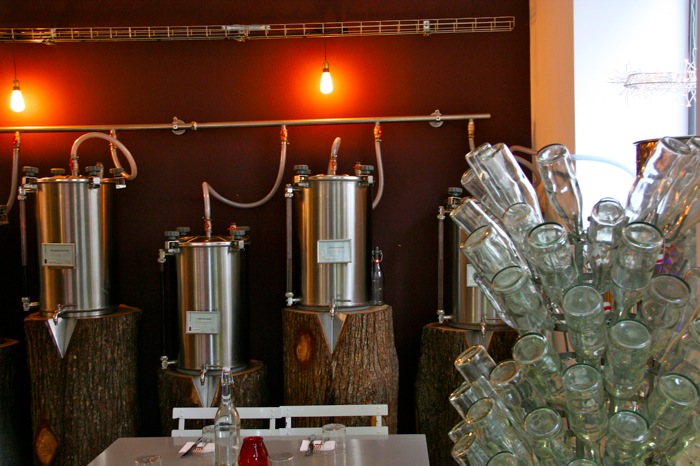
The first time I went to En Vrac, I immediately fell in love. You come here not just to buy wine, but to enjoy a different kind of wine buying experience. Because here, you fill your wine bottle from a stainless steel tank. Yes, wine in bulk.
Happy Friday (Here’s a Song That Will Make it Even Better)
Nothing says “happy weekend” like the cheesiest song ever.
1,000 Miles: Month 2

It was yet another dark, gray, rainy morning. The alarm went off. I pressed snooze, and then snooze again. Finally I got into that window of “if you don’t get up at this very second your whole morning routine is going to be off” time and I dragged myself out of bed. The run was hard. Harder than I wanted to admit. I was tired and slow. But I kept the “remember how good you will feel afterwards” mantra. It was really all I could do to keep going.
If you think that running a lot makes running easier, it doesn’t. Well ok, it sort of does. But even when you run a lot, running is still hard.
Let me explain.
When it Comes to Food, Are We Superficial?
I’ve been thinking a lot about food and food marketing lately, and feeling a bit frustrated that we’re quick to hop on board and buy trendy foods instead of just eating what’s good for us. It’s the topic of this week’s Foodie Underground column.
“We like to accuse the industrial food world of using food marketing to keep people eating unhealthy, citing examples of sugar cereal that’s branded as part of a complete breakfast. But let’s not kid ourselves, the healthy food world does it too.
Take the example of superfoods. First of all, there is no exact definition of the word “superfood.” You can slap that name on any food that is power-packed with nutrients. Second of all, do you know where your superfoods are coming from? Sure, goji berries might be good for your health, but the majority of them are grown on industrial fields in China. We say we want to be locavores and then we go dousing our salads in berries and grains that are imported from across the world.”
Read the full article here.
Carrot Cake Cookies (Made with Almond Butter!)
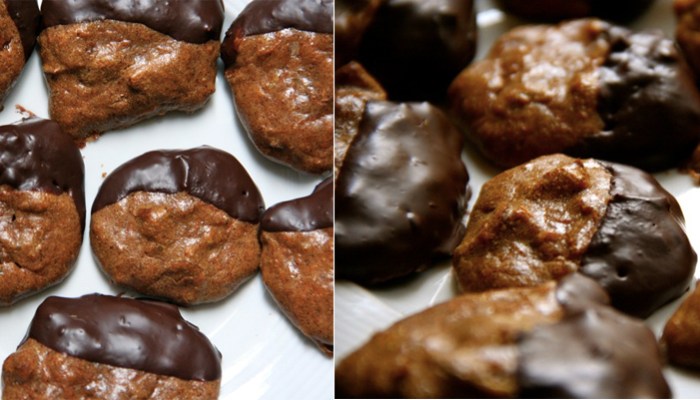
I came up with a recipe for carrot cake cookies this week that involves no flour whatsoever. Nope, it’s all almond butter. The entire batch went in one day of course, but hey, you’re eating carrots, so who has time to feel guilty?
The recipe is over on Foodie Underground, but I can tell you it’s as simple as having some carrots and almond butter and a few spices on hand.
Food Waste: Creative Solutions to a Big Problem
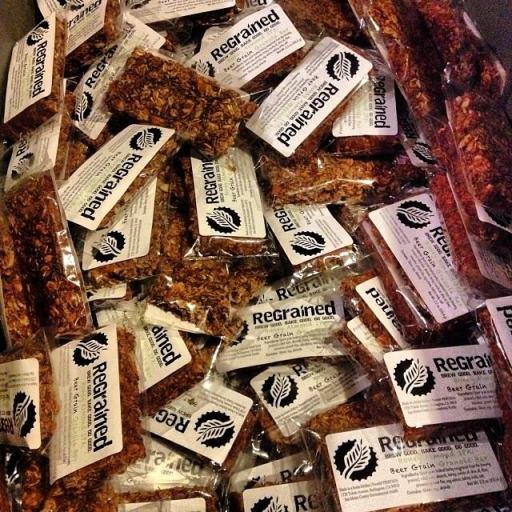
Did you know that about 40% of the food produced in the US goes uneaten? Food waste is a serious issue.
I was happy to contribute a piece to one of my favorite food sites Civil Eats on the topic, profiling different businesses and organizations that are putting food waste to use in interesting ways. My favorite? A company using beer grains to make granola bars and another making brownies out of leftover grapes from the winemaking process:
4. If you’ve ever brewed your own beer, you know that it takes a lot of grain. And what happens to that grain once the beer is done? Some brewers compost with it, some (of the very committed) bake with it, but most often it gets thrown out. That’s why Dan Kurzrock and Jordan Schwartz launched Regrained, a business that makes granola bars out of spent malted barley. According to the pair, “only 10 percent of the ingredients used to brew end up in your glass.”
5. In winemaking, all the leftover stuff that comes after the grapes have been crushed is called pomace. More often than not, it’s destined for the compost or the dump. But Whole Vine Products takes a different route, using this byproduct in baked goods. In fact, they work with a local mill to turn the pomace into a gluten-free flour. They also make culinary oils from the grape seeds. Anyone care for a Cabernet brownie?
Read the full article and learn about the other projects, including making jam from food waste, here.
Image: Regrained
 blog.annabrones.com